
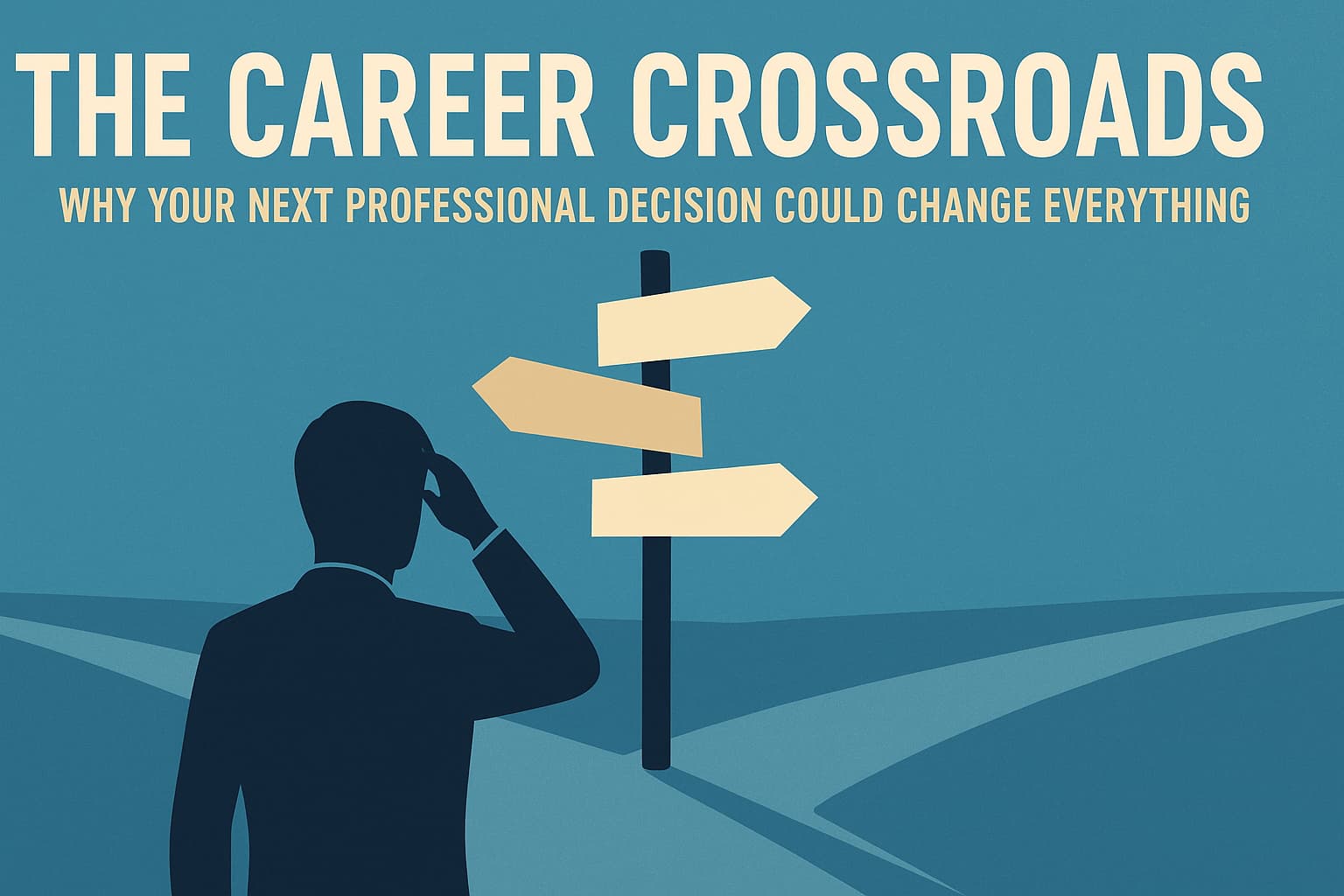
Discover the life-changing power of strategic career decisions. Learn 10 proven pathways, overcome common obstacles, and unlock solutions that transform professional uncertainty into purposeful success.
In the labyrinth of modern professional life, every decision you make echoes through the corridors of your future. The difference between those who soar to extraordinary heights and those who remain trapped in mediocrity often comes down to one critical factor: their ability to make decisive, strategic career choices when it matters most.
The Hidden Power of Professional Decision-Making
Your career isn’t just a series of random events—it’s a carefully constructed narrative built upon hundreds of pivotal decisions. From choosing your first internship to deciding whether to pursue that MBA, each choice creates ripples that extend far beyond what you can initially see.
Consider this startling reality: the average professional will make over 35,000 career-related decisions throughout their working life. Yet most people approach these choices with the same casual attention they’d give to selecting their morning coffee. This fundamental disconnect between the importance of career decisions and the energy we invest in making them explains why so many talented individuals find themselves stuck in unfulfilling roles, wondering how they got there.
The most successful professionals understand a secret that others miss entirely: career advancement isn’t about luck, connections, or even raw talent alone. It’s about developing the skill to recognize crucial decision points and having the courage to act decisively when those moments arrive.
10 Strategic Pathways to Career Excellence
1. The Skill Acceleration Path
Focus intensively on developing high-value skills that are becoming increasingly rare in your industry. Instead of trying to be good at everything, become exceptional at the specific capabilities that drive real results. This means identifying the skills that will be most valuable three to five years from now and investing heavily in mastering them today.
2. The Network Multiplication Route
Build genuine relationships with people who inspire and challenge you professionally. This isn’t about collecting business cards or LinkedIn connections—it’s about creating meaningful professional relationships that provide mutual value and support long-term career growth.
3. The Innovation Leadership Trail
Position yourself as someone who doesn’t just adapt to change but drives it. Seek opportunities to lead new initiatives, propose creative solutions to existing problems, and demonstrate your ability to think strategically about your organization’s future.
4. The Cross-Functional Bridge Strategy
Develop expertise that spans multiple departments or disciplines within your industry. Professionals who can effectively communicate and collaborate across different functional areas become invaluable assets to their organizations.
5. The Mentorship Leverage Approach
Actively seek out mentors who have achieved what you aspire to accomplish, while simultaneously mentoring others who are earlier in their journey. This creates a powerful feedback loop of learning and influence.
6. The Market Timing Method
Learn to recognize industry trends and position yourself advantageously before these trends become obvious to everyone else. This requires developing a keen awareness of market dynamics and the courage to make moves before you have complete certainty.
7. The Value Creation Focus
Consistently identify ways to create measurable value for your organization beyond your basic job requirements. Document these contributions and use them strategically in performance reviews and career advancement conversations.
8. The Personal Brand Building Path
Develop a clear, authentic professional identity that distinguishes you from your peers. This involves consistently demonstrating specific qualities and expertise that others associate with your name and reputation.
9. The Strategic Pivot Technique
Master the art of making calculated career transitions that build upon your existing experience while opening doors to new opportunities. This requires careful planning and timing to ensure each move strengthens your overall career trajectory.
10. The Long-term Vision Alignment
Regularly reassess your career decisions against your long-term personal and professional goals, making adjustments as needed to ensure you’re consistently moving in the direction of your ultimate objectives.
The Hidden Obstacles That Derail Career Progress
Even with clear pathways identified, numerous obstacles can sabotage your professional advancement. Understanding these challenges is crucial for developing effective strategies to overcome them.
Analysis Paralysis strikes when you become so focused on making the “perfect” decision that you fail to make any decision at all. This often happens when facing significant career transitions or when multiple attractive opportunities present themselves simultaneously.
Comfort Zone Addiction keeps many professionals trapped in roles that feel safe but offer limited growth potential. The familiar becomes a prison that prevents exploration of more rewarding possibilities.
Impostor Syndrome creates internal barriers that cause talented individuals to undervalue their capabilities and avoid pursuing opportunities they’re actually well-qualified to handle.
Short-term Thinking leads to decisions that provide immediate benefits but compromise long-term career potential. This might involve taking roles purely for salary increases without considering growth opportunities or company trajectory.
Fear of Failure prevents many professionals from taking calculated risks that could significantly accelerate their career progress. This fear often manifests as endless preparation without action.
Lack of Self-Awareness results in pursuing opportunities that don’t align with personal strengths, values, or interests, leading to dissatisfaction and poor performance.
Information Overload in today’s digital age can make career decision-making feel overwhelming, with too many options and opinions clouding judgment.
Social Pressure from family, friends, or colleagues can influence career decisions in ways that don’t serve individual goals and aspirations.
Economic Uncertainty can create a scarcity mindset that leads to overly conservative career choices, missing opportunities for growth during uncertain times.
Technology Disruption in various industries creates uncertainty about which skills and roles will remain relevant, making long-term career planning feel impossible.
10 Powerful Solutions for Navigating Career Decisions
Solution 1: The Decision Framework Method
Develop a structured approach to evaluating career opportunities that considers multiple factors including growth potential, skill development, cultural fit, compensation, and long-term alignment with your goals. Use this framework consistently to make more objective decisions.
Solution 2: The Time-Boxing Strategy
Set specific deadlines for career decisions to prevent endless deliberation. Gather information efficiently within a predetermined timeframe, then commit to making a choice based on the information available.
Solution 3: The Experimental Approach
Test potential career directions through side projects, volunteer work, informational interviews, or temporary assignments before making major commitments. This reduces risk while providing valuable firsthand experience.
Solution 4: The Reverse Engineering Technique
Start with your long-term career vision and work backward to identify the specific decisions and experiences needed to reach that destination. This creates a clearer roadmap for decision-making.
Solution 5: The Advisory Board Concept
Assemble a small group of trusted advisors with diverse perspectives who can provide guidance on significant career decisions. Choose people who know you well and have experience relevant to your goals.
Solution 6: The Skills Audit System
Regularly assess your current capabilities against market demands and future trends. Use this analysis to identify skill gaps and prioritize development activities that enhance your career options.
Solution 7: The Scenario Planning Method
Develop multiple potential career scenarios and consider how different decisions might play out under various circumstances. This helps prepare for uncertainty and builds confidence in your choices.
Solution 8: The Feedback Loop Implementation
Establish systems for gathering regular feedback on your performance and career progress from supervisors, peers, and direct reports. Use this information to adjust your strategy as needed.
Solution 9: The Risk Assessment Protocol
Develop a systematic approach to evaluating the potential risks and rewards of career decisions. Consider both the risk of action and the risk of inaction when making choices.
Solution 10: The Learning Mindset Cultivation
Approach career decisions as learning opportunities rather than permanent commitments. This reduces pressure and increases willingness to take calculated risks that could accelerate growth.
The Compound Effect of Strategic Career Decisions
The true power of effective career decision-making becomes apparent over time through the compound effect of consistently good choices. Each strategic decision builds upon previous ones, creating momentum that accelerates progress toward your professional goals.
Consider how a single decision to pursue a specific skill development opportunity might lead to a promotion, which provides exposure to senior leadership, which results in a mentor relationship, which opens doors to new opportunities, and so on. This cascading effect demonstrates why treating each career decision with appropriate seriousness and strategic thinking is so crucial.
The professionals who achieve extraordinary success understand that their careers are not built on single breakthrough moments but rather on the accumulated impact of hundreds of thoughtful decisions made consistently over time.
Taking Action: Your Next Strategic Move
The gap between knowing what to do and actually doing it is where most career potential dies. The frameworks, pathways, and solutions outlined here only create value when implemented consistently and thoughtfully.
Start by identifying the most significant career decision you’re currently facing or avoiding. Apply the decision framework method to evaluate your options systematically. Set a specific deadline for making your choice, and commit to taking action within that timeframe.
Remember that perfect decisions don’t exist, but strategic decisions do. Your career trajectory will be determined not by your ability to make perfect choices, but by your willingness to make thoughtful decisions and learn from the results.
The crossroads where you stand today offers pathways to extraordinary professional success. The question isn’t whether opportunities exist—they do. The question is whether you’ll develop the decision-making skills necessary to recognize them and the courage to act when recognition strikes.
Your future self is waiting to see what you’ll decide today. Make it count.