
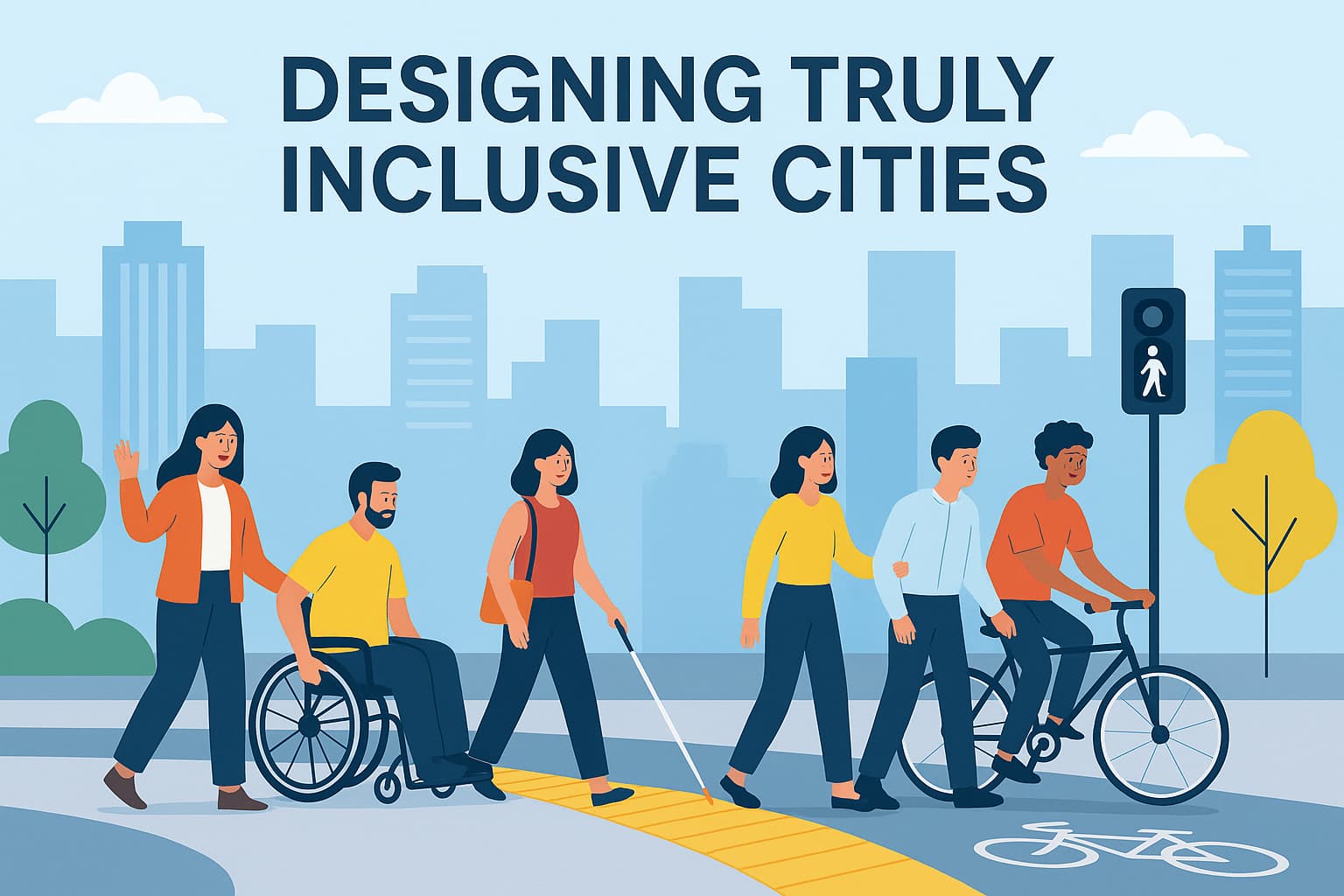
Discover comprehensive strategies for creating inclusive urban environments that serve all citizens. Learn about accessible infrastructure, social equity, and sustainable design principles for modern cities.
inclusive cities, urban planning, accessible design, social equity, sustainable urbanism, universal design, smart cities, community development
Introduction
In an era where urbanization continues to accelerate globally, the concept of inclusive city design has emerged as a fundamental pillar of sustainable development. Creating truly inclusive cities means developing urban environments that accommodate all residents regardless of age, ability, socioeconomic status, cultural background, or any other defining characteristic. This comprehensive approach to urban planning goes beyond mere accessibility compliance, embracing a holistic vision that ensures every citizen can participate fully in urban life.
The challenge of designing inclusive cities has never been more pressing. With over half of the world’s population now living in urban areas, and this figure expected to reach 68% by 2050, cities must evolve to become spaces of opportunity rather than exclusion. The stakes are high: poorly designed urban environments can perpetuate inequality, limit economic opportunities, and create barriers that prevent entire communities from thriving.
Inclusive city design represents a paradigm shift from traditional urban planning approaches that often prioritized efficiency and economic growth over social equity. Today’s urban planners recognize that true sustainability requires cities that work for everyone, creating environments where diversity is celebrated and accessibility is embedded into every aspect of urban infrastructure.
The Foundation of Inclusive Urban Design
Understanding Universal Design Principles
Universal design forms the cornerstone of inclusive cities, emphasizing the creation of environments usable by all people without the need for adaptation or specialized design. This approach benefits not only individuals with disabilities but enhances usability for everyone. When cities incorporate universal design principles, they create spaces that are inherently more flexible, accommodating, and user-friendly.
The seven principles of universal design provide a framework for inclusive city planning: equitable use, flexibility in use, simple and intuitive use, perceptible information, tolerance for error, low physical effort, and size and space for approach and use. These principles, when applied to urban environments, transform cities into spaces that naturally accommodate human diversity.
Successful implementation requires moving beyond minimum compliance standards to embrace design excellence that anticipates and addresses the full spectrum of human needs. This means considering not only physical disabilities but also cognitive differences, sensory impairments, temporary limitations, and the changing needs of an aging population.
Addressing Socioeconomic Inclusion
Economic inclusivity in urban design requires careful attention to how city planning decisions impact different income groups. Gentrification, while often bringing improvements to neighborhoods, can displace long-term residents and destroy community networks. Inclusive cities must balance development with preservation of affordable housing and community character.
Mixed-income housing developments represent one effective strategy for maintaining economic diversity within neighborhoods. By integrating affordable units with market-rate housing, cities can prevent the concentration of poverty while ensuring that lower-income residents have access to well-resourced neighborhoods with good schools, services, and employment opportunities.
Public space design also plays a crucial role in economic inclusion. Parks, plazas, and community centers that are free to access and use provide essential gathering spaces where all residents can participate in community life regardless of their economic circumstances. These spaces become particularly important as private commercial spaces increasingly require spending money to occupy.
Transportation and Mobility Infrastructure
Creating Accessible Transit Systems
Transportation represents the circulatory system of any city, and inclusive design ensures this system serves all residents effectively. Accessible public transportation goes beyond wheelchair accessibility to include clear signage, audio announcements, tactile guidance systems, and intuitive navigation that serves people with various disabilities and language barriers.
The design of transit stops and stations requires particular attention to universal access. This includes adequate lighting for safety and visibility, weather protection, seating options, and clear sight lines that allow all users to navigate confidently. Integration with pedestrian and cycling infrastructure creates seamless multimodal transportation options that serve diverse mobility needs.
Emerging transportation technologies offer new opportunities for inclusive design. Autonomous vehicles, when properly designed and deployed, could provide enhanced mobility options for individuals who cannot drive traditional vehicles. However, ensuring these technologies serve all communities rather than exacerbating existing transportation inequities requires proactive planning and regulation.
Designing Walkable Neighborhoods
Walkability forms a fundamental component of inclusive cities, providing low-cost mobility options while supporting community health and social interaction. Designing walkable neighborhoods requires attention to sidewalk quality, street lighting, traffic calming measures, and the distribution of essential services within walking distance of residential areas.
Complete streets design principles ensure that roadways serve all users, including pedestrians, cyclists, transit riders, and motorists. This approach typically involves dedicated bicycle lanes, wider sidewalks, frequent and well-marked crosswalks, and traffic signals that provide adequate crossing time for pedestrians of all walking speeds.
The concept of the “15-minute city” has gained traction as a framework for inclusive urban design. This model ensures that most daily needs can be met within a 15-minute walk or bike ride from home, reducing transportation barriers and creating more equitable access to services and opportunities.
Housing and Neighborhood Development
Affordable and Accessible Housing Solutions
Housing represents the foundation of inclusive cities, yet many urban areas face affordability crises that exclude large portions of the population. Inclusive housing strategies must address both affordability and accessibility, ensuring that all residents can find suitable housing within their communities.
Inclusionary zoning policies require new developments to include affordable units, helping maintain economic diversity as neighborhoods develop. These policies work best when combined with other tools such as community land trusts, which can preserve affordability in perpetuity, and tenant protection measures that prevent displacement of existing residents.
Accessible housing design goes beyond compliance with disability accommodation requirements to embrace visitability standards that make homes usable by people with various mobility needs. Features such as no-step entries, wider doorways, and accessible bathrooms on the main floor benefit not only residents with disabilities but also families with young children, people recovering from injuries, and aging residents.
Community-Centered Development
Inclusive neighborhoods require more than just housing; they need community infrastructure that supports social cohesion and mutual support. Community centers, libraries, health clinics, and educational facilities should be distributed equitably throughout the city rather than concentrated in wealthy areas.
The design of these community facilities matters as much as their location. Flexible spaces that can accommodate diverse cultural practices, multiple languages, and varying community needs help ensure that all residents feel welcome and served. This might include prayer spaces in community centers, multilingual signage, and programming that reflects the diversity of neighborhood residents.
Public participation in neighborhood planning processes represents another crucial element of inclusive development. Meaningful community engagement requires outreach strategies that reach all residents, including those who may face language barriers, work multiple jobs, or have limited experience with formal planning processes.
Technology and Smart City Integration
Digital Inclusion Strategies
As cities increasingly integrate digital technologies into urban services, ensuring digital inclusion becomes essential for overall urban inclusivity. Digital divides based on income, age, disability, and digital literacy can exclude residents from essential services and opportunities if not proactively addressed.
Public Wi-Fi infrastructure provides a foundation for digital inclusion, but effective implementation requires more than just connectivity. Public computer access, digital literacy training, and multilingual digital interfaces help ensure that technology enhances rather than limits access to city services and opportunities.
Smart city technologies should be designed with accessibility in mind from the outset rather than retrofitted later. This includes voice-activated interfaces for people with visual impairments, simplified interfaces for users with cognitive disabilities, and alternative access methods for those who cannot use standard digital interfaces.
Privacy and Equity Considerations
The integration of surveillance and data collection technologies in smart cities raises important questions about privacy and equity. Low-income communities and communities of color often face disproportionate surveillance, and smart city technologies can exacerbate these disparities if not carefully designed and regulated.
Transparent data governance policies help ensure that smart city technologies serve all residents equitably. This includes clear policies about data collection, use, and sharing, as well as mechanisms for community oversight of how these technologies are deployed and used.
Algorithmic bias in city services represents another significant concern. When cities use algorithms to allocate resources, determine service delivery, or make other decisions, biased algorithms can perpetuate or amplify existing inequities. Regular auditing and bias testing of these systems helps ensure fair treatment for all residents.
Green Infrastructure and Environmental Justice
Equitable Access to Green Spaces
Environmental amenities such as parks, green corridors, and urban forests provide essential benefits including air quality improvement, temperature regulation, recreational opportunities, and mental health benefits. Inclusive cities ensure these benefits are distributed equitably rather than concentrated in wealthy neighborhoods.
The design of green spaces themselves must consider the diverse needs and preferences of all community members. This includes accessible playground equipment, walking paths suitable for mobility devices, culturally appropriate landscaping and programming, and spaces that accommodate different types of recreational activities.
Urban agriculture initiatives can serve multiple inclusion goals simultaneously, providing access to fresh food, creating economic opportunities, preserving cultural food traditions, and building community connections. Community gardens and urban farms work best when designed with input from the communities they serve and when they address barriers to participation such as plot fees, tools, and gardening knowledge.
Climate Resilience and Vulnerable Populations
Climate change impacts affect all urban residents, but vulnerable populations often face disproportionate risks due to factors such as housing quality, location in flood-prone or heat-prone areas, limited resources for adaptation, and reduced access to emergency services. Inclusive climate resilience planning must specifically address these disparities.
Cooling centers, flood protection, and emergency preparedness programs should be designed to reach all residents, including those who may be isolated, lack transportation, or face language barriers. This requires community-based approaches that build on existing social networks and trusted community organizations.
Green infrastructure solutions such as bioswales, permeable pavement, and green roofs provide climate benefits while potentially creating economic opportunities through green jobs training and employment. Ensuring that these benefits reach disadvantaged communities requires intentional planning and investment.
Economic Development and Opportunity
Inclusive Economic Growth
Economic development in inclusive cities focuses on creating opportunities for all residents rather than just attracting high-income workers and businesses. This requires strategies that support existing local businesses, create pathways for entrepreneurship across all communities, and ensure that economic growth translates into benefits for existing residents.
Small business support programs, including access to capital, technical assistance, and affordable commercial space, help maintain neighborhood economic diversity and provide opportunities for residents to build wealth within their communities. These programs work best when they are culturally responsive and available in multiple languages.
Workforce development initiatives should connect residents to emerging economic opportunities while building on existing community strengths and interests. This might include training programs in green jobs, technology, healthcare, or other growing sectors, combined with support services such as childcare and transportation that address barriers to participation.
Anti-Displacement Strategies
As neighborhoods improve through inclusive development efforts, managing the risk of displacement becomes crucial for maintaining community diversity and ensuring that existing residents benefit from improvements. Anti-displacement strategies must be implemented proactively rather than reactively.
Community benefit agreements provide one tool for ensuring that development projects contribute to community priorities and include specific commitments to affordable housing, local hiring, and community services. These agreements work best when they result from genuine community engagement and include enforcement mechanisms.
Commercial anti-displacement strategies help maintain neighborhood character and economic diversity by supporting existing businesses and preventing their displacement by rising rents. This might include commercial rent stabilization, business improvement districts that include anti-displacement provisions, and programs that help existing businesses access capital for improvements.
Implementation Challenges and Solutions
Financing Inclusive Development
Funding inclusive city initiatives requires creative financial strategies that go beyond traditional municipal budgets. Public-private partnerships, when structured properly, can leverage private investment for public benefit while ensuring that community needs remain the priority.
Social impact bonds and other innovative financing mechanisms allow cities to fund inclusive programs by tying payments to measurable outcomes such as reduced homelessness, improved educational outcomes, or increased employment in underserved communities. These approaches can help demonstrate the economic value of inclusive investments.
Federal and state grant programs often provide funding for specific aspects of inclusive development such as affordable housing, transit improvements, or community development. Successful cities develop expertise in accessing and coordinating multiple funding sources to support comprehensive inclusive development strategies.
Community Engagement and Participation
Meaningful community engagement represents both a fundamental principle and a practical necessity for inclusive city development. Effective engagement requires meeting people where they are rather than expecting them to come to traditional public meetings that may be inaccessible due to timing, location, language, or format.
Community-based participatory research approaches help ensure that planning decisions are based on residents’ actual experiences and priorities rather than outside assumptions about community needs. These approaches build community capacity while generating better information for planning decisions.
Ongoing engagement structures such as neighborhood councils, community advisory boards, and resident leadership development programs help ensure that community input continues throughout implementation rather than ending with initial planning phases.
Measuring Success and Continuous Improvement
Indicators of Inclusive City Development
Measuring progress toward inclusive city goals requires indicators that capture both quantitative outcomes and qualitative experiences of residents. Traditional urban planning metrics such as population growth and property values may not reflect whether cities are becoming more inclusive for all residents.
Disaggregated data collection helps identify whether improvements are reaching all communities or primarily benefiting already-advantaged groups. This includes breaking down indicators by race, income, age, disability status, and other relevant characteristics to identify disparities and track progress in addressing them.
Community-defined indicators provide additional insight into whether cities are meeting residents’ actual priorities and needs. These might include measures of social cohesion, sense of safety, access to culturally appropriate services, or other factors that residents identify as important for quality of life.
Adaptive Management Approaches
Inclusive city development requires adaptive management approaches that allow for course corrections based on community feedback and changing circumstances. This includes regular evaluation of programs and policies, with mechanisms for modifying approaches that are not achieving intended outcomes.
Pilot programs and demonstration projects provide opportunities to test innovative approaches on a smaller scale before city-wide implementation. These pilots should include robust evaluation components and community feedback mechanisms to inform broader adoption decisions.
Cross-sector collaboration becomes essential for addressing the complex, interconnected challenges of inclusive development. This requires breaking down silos between different city departments and building partnerships with community organizations, businesses, and other stakeholders who contribute to inclusive outcomes.
Conclusion
Designing truly inclusive cities represents one of the most important challenges of our time, requiring fundamental shifts in how we approach urban planning and development. Success depends on moving beyond minimum compliance standards to embrace design excellence that celebrates human diversity and creates opportunities for all residents to thrive.
The strategies outlined in this article provide a comprehensive framework for inclusive development, but implementation must be tailored to local contexts and community priorities. What remains constant is the need for sustained commitment to equity, meaningful community engagement, and adaptive approaches that respond to changing needs and circumstances.
The benefits of inclusive city design extend far beyond social justice imperatives. Cities that work for everyone are more economically productive, environmentally sustainable, and socially resilient. They attract and retain diverse talent, foster innovation through diversity, and create the social cohesion necessary for addressing complex urban challenges.
As urbanization continues to accelerate globally, the choices we make about city design today will shape the lives of billions of people for generations to come. By committing to truly inclusive development, we can create cities that serve as models for human flourishing rather than engines of inequality. The path forward requires vision, commitment, and the recognition that our cities’ greatest strength lies in their diversity and their potential to provide opportunities for all who call them home.
The future of urban development depends on our ability to design cities that welcome everyone, support diverse ways of life, and create conditions for all residents to contribute their talents and pursue their aspirations. This is not just a moral imperative but a practical necessity for creating thriving, sustainable urban communities in the 21st century.