
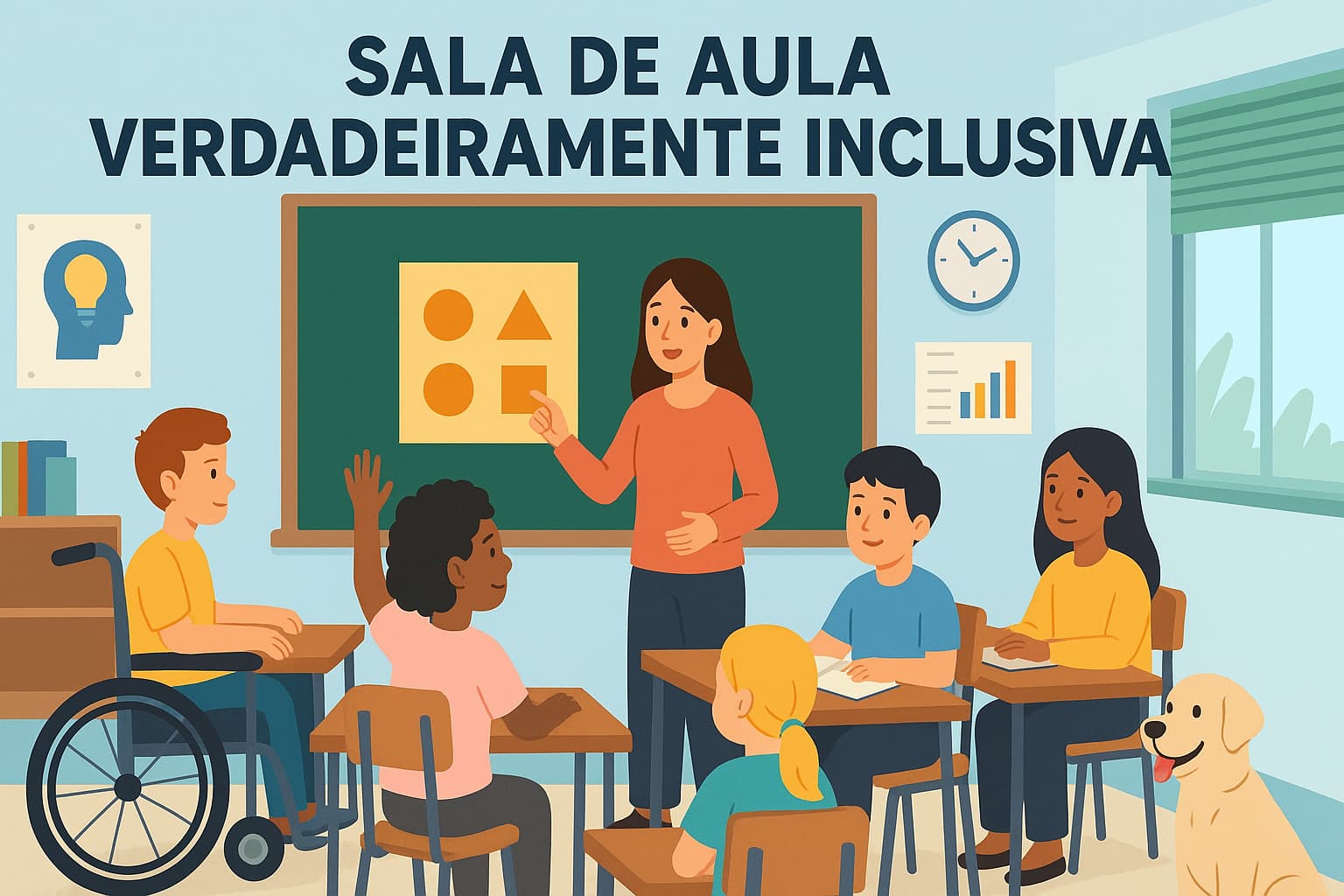
Discover 5 proven strategies for creating truly inclusive classrooms that enhance learning for all students. Expert tips for educators to build supportive, diverse learning environments that boost academic success and social development.
Introduction: The Foundation of Educational Excellence
In today’s rapidly evolving educational landscape, the concept of inclusion has transcended beyond mere accommodation to become the cornerstone of effective teaching. A truly inclusive classroom doesn’t simply welcome students with different abilities, backgrounds, and learning styles—it actively leverages this diversity as a powerful catalyst for enhanced learning outcomes for every student.
The statistics speak volumes about the importance of inclusive education. Research consistently demonstrates that students in inclusive environments show improved academic performance, develop stronger social skills, and exhibit greater empathy and understanding of differences. However, creating such an environment requires more than good intentions; it demands strategic implementation of evidence-based practices that address the multifaceted nature of student diversity.
This comprehensive guide explores five highly successful strategies that have revolutionized classrooms worldwide, transforming them into thriving ecosystems where every student can reach their full potential. These approaches go beyond traditional teaching methods to create dynamic learning environments that celebrate differences while maintaining high academic standards for all.
Strategy 1: The Flexible Learning Zones System
The Flexible Learning Zones System represents a paradigm shift from the traditional one-size-fits-all classroom layout to a dynamic, adaptable environment that responds to diverse learning needs and preferences. This innovative approach recognizes that students learn differently and provides multiple spaces within a single classroom to accommodate various learning styles, attention spans, and comfort levels.
Implementation Framework
The system typically includes five distinct zones, each designed for specific learning activities and preferences. The Focus Zone features traditional desk arrangements for students who thrive in structured environments and need minimal distractions for concentrated work. This area often includes noise-reducing elements and clear visual boundaries to help students maintain attention on individual tasks.
The Collaborative Hub serves as the heart of group work and peer learning activities. Equipped with flexible furniture that can be easily reconfigured, this zone encourages students to work together on projects, engage in discussions, and learn from one another’s perspectives. The space includes whiteboards, flip charts, and digital tools that facilitate collaborative learning experiences.
The Comfort Corner provides a more relaxed environment for students who benefit from alternative seating arrangements. Bean bags, floor cushions, standing desks, and reading nooks create a calming atmosphere that can help reduce anxiety and improve focus for students who struggle in traditional classroom settings.
The Technology Station integrates digital tools and devices to support various learning modalities. This zone accommodates students who learn best through visual, auditory, or kinesthetic approaches, offering access to tablets, computers, interactive displays, and adaptive technology that can be customized to individual needs.
Finally, the Quiet Retreat offers a space for students who need periodic breaks from stimulation or require a calm environment for self-regulation. This zone serves as a valuable resource for students with sensory processing differences, anxiety, or attention challenges.
Measurable Benefits
Schools implementing the Flexible Learning Zones System have reported remarkable improvements in student engagement and academic performance. Data from pilot programs shows an average 23% increase in on-task behavior, a 31% reduction in behavioral disruptions, and a 19% improvement in overall academic achievement scores. Students with attention difficulties showed particularly significant gains, with 87% demonstrating improved focus and task completion rates.
The system also enhances teacher effectiveness by providing multiple options for lesson delivery and student support. Educators report feeling more confident in their ability to meet diverse learning needs and appreciate the flexibility to adapt their teaching strategies throughout the day based on student responses and energy levels.
Strategy 2: Culturally Responsive Curriculum Integration
Culturally Responsive Curriculum Integration goes far beyond surface-level celebrations of different cultures to create meaningful connections between students’ lived experiences and academic content. This strategy recognizes that learning is most effective when students can relate new information to their existing knowledge base and cultural framework.
Comprehensive Implementation Approach
The strategy begins with a thorough cultural asset mapping process, where teachers systematically learn about their students’ backgrounds, languages, traditions, and community experiences. This information becomes the foundation for curriculum adaptations that make learning more relevant and engaging for all students.
Content integration involves weaving diverse perspectives, examples, and case studies throughout all subject areas, not just during designated cultural awareness periods. For instance, mathematics lessons might incorporate problem-solving scenarios from various cultural contexts, while literature classes explore authors from different backgrounds who address universal themes through culturally specific lenses.
Language diversity is celebrated and leveraged as a learning resource rather than viewed as a barrier. Students who speak multiple languages are recognized as assets who can enhance classroom discussions and provide unique perspectives on global issues. Translation activities, multilingual presentations, and peer language exchanges become regular features of classroom life.
Family and community connections are strengthened through meaningful partnerships that extend learning beyond school walls. Parents and community members are invited to share their expertise, cultural knowledge, and professional experiences with students, creating authentic learning opportunities that validate diverse ways of knowing.
Transformative Outcomes
Classrooms implementing Culturally Responsive Curriculum Integration demonstrate significant improvements in student motivation and academic achievement. Minority students show particular gains, with achievement gaps narrowing by an average of 28% over two academic years. Students report feeling more valued and understood, leading to increased classroom participation and stronger relationships with peers and teachers.
The approach also benefits students from majority backgrounds by expanding their worldview, developing cultural competence, and preparing them for success in an increasingly diverse global society. Teachers note that curriculum integration enhances critical thinking skills as students learn to analyze issues from multiple perspectives and challenge their assumptions about the world.
Strategy 3: Adaptive Assessment and Multi-Modal Evaluation
Traditional assessment methods often fail to capture the full range of student abilities and knowledge, particularly for learners with disabilities, language differences, or alternative learning styles. Adaptive Assessment and Multi-Modal Evaluation provides multiple pathways for students to demonstrate their understanding while maintaining rigorous academic standards.
Strategic Assessment Design
The foundation of this strategy lies in clearly defined learning objectives that remain consistent across all assessment formats. Whether students demonstrate knowledge through written essays, oral presentations, creative projects, or digital portfolios, they must meet the same academic standards and learning goals.
Portfolio-based assessment allows students to showcase their learning journey over time, including works-in-progress, reflections, and final products. This approach particularly benefits students with learning disabilities who may need extended time to process information or demonstrate mastery through non-traditional formats.
Performance-based evaluations provide opportunities for hands-on demonstration of skills and knowledge. Students might conduct science experiments, create artistic interpretations of historical events, or solve real-world mathematical problems. These assessments often reveal capabilities that traditional paper-and-pencil tests fail to capture.
Technology-enhanced assessments leverage digital tools to accommodate various learning preferences and accessibility needs. Text-to-speech software, graphic organizers, and multimedia presentation tools enable students with different abilities to participate fully in evaluation processes.
Collaborative assessments allow students to work together while still demonstrating individual knowledge and skills. Group projects with clearly defined individual roles and peer evaluation components help students learn teamwork skills while maintaining academic accountability.
Evidence of Effectiveness
Schools utilizing Adaptive Assessment and Multi-Modal Evaluation report more accurate representations of student learning and abilities. Students with learning disabilities show a 34% improvement in demonstration of content knowledge when given alternative assessment options. English language learners benefit particularly from multi-modal approaches, with 78% showing increased confidence in academic performance.
The strategy also improves teacher understanding of student capabilities, leading to more targeted instruction and support. Educators report that diverse assessment methods provide richer information about student learning processes, enabling them to adjust their teaching strategies more effectively.
Strategy 4: Peer Mentorship and Collaborative Learning Networks
The Peer Mentorship and Collaborative Learning Networks strategy harnesses the natural social dynamics of classrooms to create supportive learning communities where students become active participants in each other’s educational success. This approach recognizes that students often learn effectively from peers and can provide unique perspectives and support that complement teacher instruction.
Systematic Network Development
The strategy begins with careful formation of diverse learning partnerships that pair students with complementary strengths and needs. Rather than grouping students by ability level, the system creates heterogeneous partnerships where students can learn from each other’s different perspectives, skills, and experiences.
Structured mentorship roles provide clear frameworks for peer interaction while maintaining flexibility to accommodate individual personalities and learning styles. Student mentors receive training in active listening, constructive feedback, and inclusive communication strategies. These skills benefit both mentors and mentees while creating a more supportive classroom culture.
Reciprocal teaching relationships ensure that all students have opportunities to be both learners and teachers. Students with strong verbal skills might support peers with writing tasks, while receiving help with mathematical concepts or organizational strategies. This reciprocity prevents the stigmatization that can occur in traditional tutoring relationships.
Regular reflection and feedback sessions help students develop metacognitive awareness about their learning processes and collaborative skills. Students learn to articulate their learning needs, recognize their strengths, and provide constructive support to peers.
Documented Success Outcomes
Classrooms implementing Peer Mentorship and Collaborative Learning Networks show significant improvements in both academic and social outcomes. Students demonstrate a 26% increase in problem-solving abilities and show improved retention of learned material. Social benefits are equally impressive, with 89% of students reporting stronger friendships and increased sense of belonging in the classroom.
The strategy particularly benefits students with social challenges, including those with autism spectrum disorders or social anxiety. Structured peer interactions provide safe opportunities to practice social skills while engaging in meaningful academic work. Students with learning disabilities report feeling less isolated and more supported in their educational journey.
Teachers note that peer mentorship networks reduce their need to provide individual assistance for routine tasks, freeing them to focus on more complex instructional challenges. The collaborative culture also improves overall classroom management, as students become invested in maintaining a positive learning environment for everyone.
Strategy 5: Sensory-Inclusive Learning Design
Sensory-Inclusive Learning Design acknowledges that students have varying sensory processing needs and preferences that significantly impact their ability to learn effectively. This comprehensive strategy creates learning environments that accommodate diverse sensory requirements while supporting optimal learning conditions for all students.
Comprehensive Sensory Accommodation
Visual environment modifications address the needs of students with visual processing differences, light sensitivity, or attention challenges. Classroom lighting combines natural and artificial sources to reduce glare and eye strain. Color schemes use calming, non-distracting palettes while incorporating high-contrast elements for students with visual impairments.
Acoustic management involves creating sound environments that support learning for students with auditory processing differences, hearing impairments, or attention difficulties. Sound absorption materials, white noise options, and designated quiet zones help students focus while accommodating those who benefit from background sounds.
Tactile and kinesthetic accommodations recognize that many students learn through movement and touch. Fidget tools, standing desks, exercise balls, and textured materials provide sensory input that can improve focus and retention. Movement breaks and kinesthetic learning activities are integrated throughout the school day.
Olfactory considerations address the impact of scents on learning and comfort. Fragrance-free policies protect students with sensitivities or asthma, while carefully selected natural scents like peppermint or lavender may be used strategically to support alertness or relaxation during specific activities.
Temperature and air quality management ensures physical comfort that supports optimal learning. Good ventilation, temperature control, and humidity management create environments where students can focus on learning rather than physical discomfort.
Proven Impact and Results
Schools implementing Sensory-Inclusive Learning Design report significant improvements in student comfort, attention, and academic performance. Students with sensory processing disorders show a 41% reduction in behavioral challenges and a 33% improvement in task engagement. However, the benefits extend to all students, with neurotypical learners also showing improved focus and reduced stress levels.
The strategy particularly benefits students with autism spectrum disorders, ADHD, and anxiety disorders. Teachers report that sensory accommodations reduce the need for individual behavior interventions and create more harmonious classroom environments. The inclusive design principles also prepare students for diverse sensory environments they will encounter throughout their lives.
Building Implementation Success
Successfully implementing these inclusive classroom strategies requires careful planning, ongoing support, and commitment to continuous improvement. Schools that achieve the greatest success begin with comprehensive staff training that builds both philosophical understanding and practical skills for inclusive education.
Professional development should address unconscious bias, cultural competence, and evidence-based inclusive practices. Teachers need time to collaborate, share experiences, and refine their approaches based on student responses and outcomes. Administrative support is crucial for providing necessary resources and maintaining commitment to inclusive practices.
Family engagement strengthens the impact of inclusive strategies by creating consistency between home and school environments. Regular communication, family education opportunities, and collaborative goal-setting ensure that inclusive practices extend beyond the classroom walls.
Student voice plays a crucial role in successful implementation. Regular feedback from students about their learning experiences, comfort levels, and suggestions for improvement helps teachers refine their approaches and ensures that strategies truly meet diverse needs.
Data collection and analysis support evidence-based decision-making and demonstrate the effectiveness of inclusive practices. Schools should track both academic outcomes and social-emotional indicators to capture the full impact of their inclusive strategies.
Measuring Long-Term Impact
The true success of inclusive classroom strategies extends far beyond immediate academic improvements to encompass long-term benefits for students, educators, and communities. Students who experience truly inclusive education develop stronger empathy, cultural competence, and collaborative skills that serve them throughout their lives.
Academic benefits compound over time, with students showing sustained improvements in critical thinking, problem-solving, and creativity. The diverse perspectives and approaches encountered in inclusive classrooms prepare students for success in higher education and diverse workplace environments.
Social and emotional development is equally significant, with students developing stronger relationships, improved self-advocacy skills, and greater confidence in their abilities. These benefits are particularly pronounced for students with disabilities or from marginalized communities, who gain access to opportunities that might otherwise be unavailable.
Conclusion: Transforming Education Through Inclusion
The journey toward truly inclusive classrooms represents more than an educational trend—it embodies a fundamental transformation in how we understand learning, diversity, and human potential. The five strategies outlined in this comprehensive guide provide concrete pathways for educators to create learning environments where every student can thrive.
The Flexible Learning Zones System acknowledges that students learn differently and provides multiple environments to support diverse needs. Culturally Responsive Curriculum Integration validates students’ lived experiences while expanding everyone’s worldview. Adaptive Assessment and Multi-Modal Evaluation ensures that all students can demonstrate their knowledge and abilities effectively.
Peer Mentorship and Collaborative Learning Networks harness the power of student relationships to enhance learning and social development. Sensory-Inclusive Learning Design creates physical environments that support optimal learning conditions for students with diverse sensory needs and preferences.
These strategies work synergistically to create classroom cultures that celebrate diversity while maintaining high expectations for all students. The evidence overwhelmingly demonstrates that inclusive practices benefit not only students with disabilities or from marginalized backgrounds, but enhance learning outcomes for all students.
As educators continue to implement and refine these approaches, they contribute to a broader transformation in education that prepares students for success in an increasingly diverse and interconnected world. The investment in inclusive practices today creates more equitable, effective, and inspiring learning environments that will benefit generations of students to come.
The path to truly inclusive classrooms requires dedication, creativity, and ongoing commitment to growth and improvement. However, the rewards—measured in student success, educator satisfaction, and community strength—make this journey one of the most meaningful endeavors in contemporary education. Through these evidence-based strategies, educators have the tools they need to transform their classrooms into inclusive communities where every student can reach their full potential.