
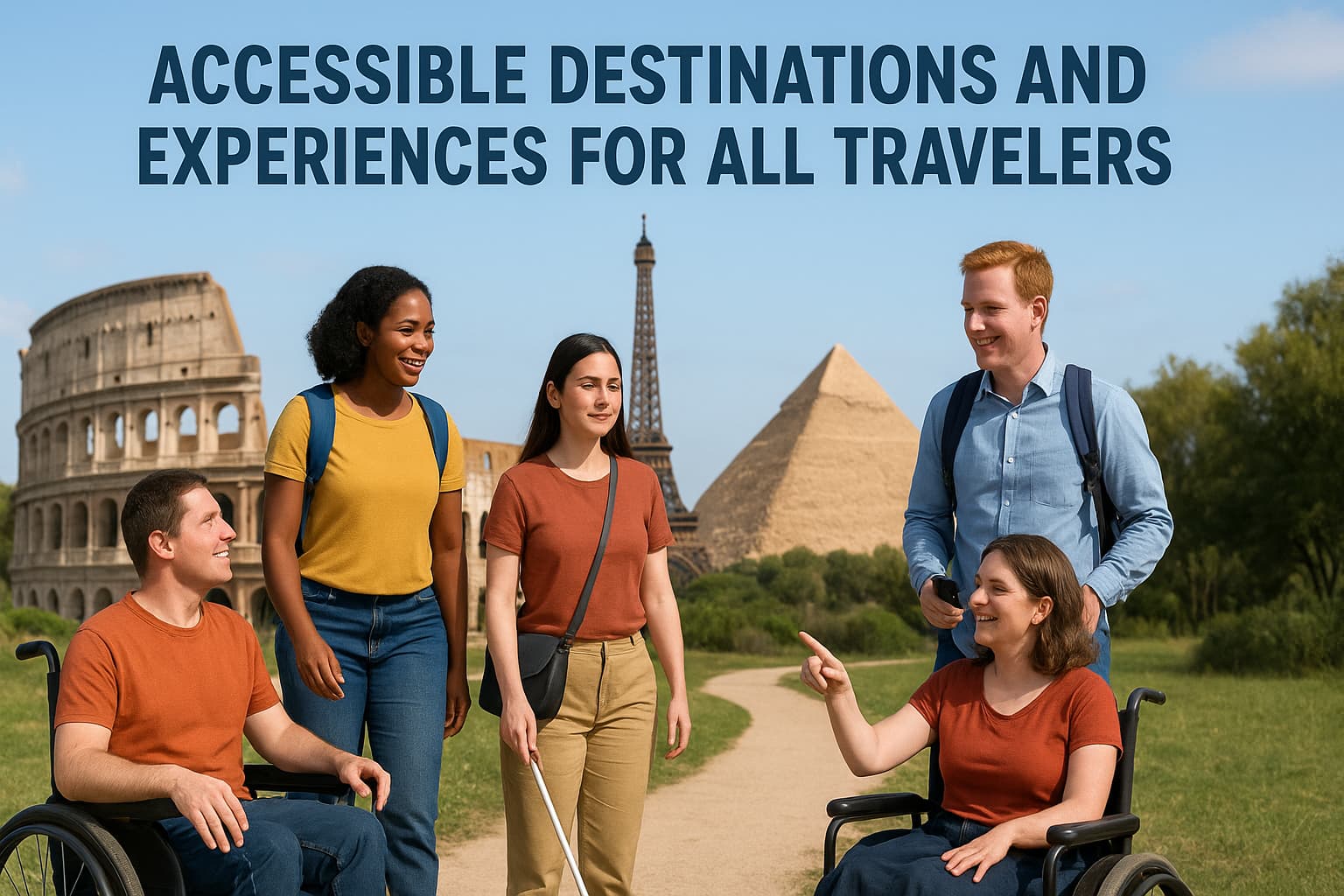
Discover incredible accessible travel destinations and experiences designed for travelers with disabilities. From wheelchair-friendly cities to sensory-inclusive attractions, explore how inclusive tourism is transforming travel for everyone. Complete guide with practical tips, destination recommendations, and accessibility resources.
Introduction: Breaking Down Barriers in Travel
Travel has the extraordinary power to transform lives, broaden perspectives, and create lasting memories. Yet for millions of travelers worldwide, the dream of exploring new destinations has historically been hindered by accessibility barriers. Today, we’re witnessing a revolutionary shift in the travel industry as destinations, accommodations, and experiences embrace universal design principles, creating opportunities for all travelers to explore the world with confidence and independence.
The concept of accessible travel extends far beyond wheelchair ramps and accessible bathrooms. It encompasses a comprehensive approach to inclusivity that considers the diverse needs of travelers with various disabilities, including mobility impairments, visual and hearing impairments, cognitive disabilities, and invisible disabilities. This transformation is not just about compliance with regulations—it’s about recognizing that accessible design benefits everyone and creates richer, more diverse travel experiences.
The Evolution of Accessible Tourism
The accessible tourism movement has gained tremendous momentum over the past decade. According to recent studies, travelers with disabilities represent a significant economic force, with billions of dollars in annual spending power. This market reality, combined with growing social awareness and legal requirements, has prompted destinations worldwide to invest in accessibility improvements.
Forward-thinking destinations have discovered that accessible design principles often result in better experiences for all visitors. Curb cuts that assist wheelchair users also help parents with strollers and travelers with luggage. Audio descriptions created for visually impaired visitors enhance the experience for everyone. Clear signage and wayfinding systems benefit travelers with cognitive disabilities while helping all visitors navigate more easily.
Leading Accessible Destinations Around the World
European Excellence: Barcelona, Spain
Barcelona stands as a shining example of accessible urban planning and tourism. The city has systematically addressed accessibility across all major tourist areas, from the Gothic Quarter to Park Güell. The Barcelona Metro system features elevator access at most stations, and the city’s beaches include accessible boardwalks and swimming areas with specialized equipment.
The city’s commitment extends to cultural attractions as well. The Sagrada Familia offers tactile models for visually impaired visitors, while Casa Batlló provides multisensory experiences that engage visitors through touch, sound, and visual elements. Barcelona’s accessible taxi fleet and comprehensive accessibility app make navigation seamless for visitors with disabilities.
North American Innovation: Vancouver, Canada
Vancouver has earned international recognition for its commitment to universal accessibility. The city’s public transportation system, including buses, SkyTrain, and SeaBus, is fully wheelchair accessible. Tourist attractions like the Vancouver Aquarium and Science World feature comprehensive accessibility features, including ASL interpretation services and sensory-friendly programming.
The city’s natural attractions haven’t been forgotten either. Accessible trails in Stanley Park allow wheelchair users to experience Vancouver’s stunning waterfront, while specialized equipment programs enable visitors with disabilities to participate in outdoor activities like kayaking and cycling.
Asian Pioneer: Tokyo, Japan
In preparation for the Paralympics, Tokyo underwent massive accessibility improvements that continue to benefit travelers today. The city’s railway system, while complex, offers excellent accessibility features including tactile guidance systems for visually impaired travelers and wheelchair-accessible routes throughout the network.
Tokyo’s cultural sites have embraced inclusive design principles. The Tokyo National Museum provides tactile exhibitions and detailed audio descriptions, while traditional sites like Senso-ji Temple have implemented accessibility improvements that respect historical integrity while accommodating modern needs.
Oceanic Paradise: Gold Coast, Australia
Australia’s Gold Coast demonstrates how beach destinations can be fully inclusive. The region features accessible beaches with beach wheelchairs, accessible pathways to the water, and trained lifeguards familiar with disability needs. Theme parks like Sea World and Dreamworld offer comprehensive accessibility services, including ride access passes and specialized assistance.
The destination’s accommodation sector has embraced universal design, with numerous hotels offering accessible rooms that go beyond basic requirements to provide truly comfortable and functional spaces for travelers with disabilities.
Transportation: The Foundation of Accessible Travel
Accessible transportation forms the backbone of inclusive tourism. Airlines have significantly improved their services for passengers with disabilities, offering enhanced pre-boarding assistance, improved in-flight accessibility features, and better handling of mobility equipment. Many airlines now provide specialized training for staff to ensure respectful and knowledgeable assistance.
Ground transportation has also evolved dramatically. Major cities worldwide have introduced accessible public transportation options, from low-floor buses with wheelchair lifts to fully accessible subway systems. Ride-sharing services have expanded their accessible vehicle options, making point-to-point transportation more convenient for travelers with mobility impairments.
For those who prefer independent travel, the availability of accessible rental vehicles has increased substantially. Specialized rental companies now offer vehicles with hand controls, wheelchair lifts, and other modifications, enabling travelers to maintain their independence while exploring new destinations.
Accommodation: Beyond Basic Compliance
The hospitality industry has moved beyond minimum accessibility requirements to embrace truly inclusive design. Leading hotel chains now offer accessible rooms that feel spacious and luxurious rather than clinical. Features like roll-in showers with fold-down seating, adjustable-height beds, and accessible balconies create comfortable spaces for all guests.
Boutique properties and vacation rentals have also joined the movement. Specialized booking platforms now make it easier to find accommodations that meet specific accessibility needs, with detailed descriptions and photographs of accessibility features.
Many accommodations are also addressing the needs of travelers with non-mobility disabilities. Hotels offer rooms with enhanced lighting for guests with low vision, quiet rooms away from elevators for guests with sensory sensitivities, and specialized communication services for deaf and hard-of-hearing guests.
Cultural and Natural Attractions: Inclusive Experiences
Museums and cultural sites worldwide are revolutionizing how they serve visitors with disabilities. Interactive exhibits now include tactile elements, audio descriptions, and sign language interpretation. Many institutions offer sensory-friendly hours with reduced lighting and sound levels, creating comfortable environments for visitors with autism or sensory processing disorders.
Natural attractions have also embraced accessibility. National parks have developed accessible trails that allow wheelchair users and others with mobility impairments to experience spectacular landscapes. Adaptive recreation programs enable visitors with disabilities to participate in activities like rock climbing, skiing, and water sports.
Adventure tourism operators are expanding their offerings to include travelers with disabilities. Specialized equipment and trained guides make it possible for people with various disabilities to experience activities like whitewater rafting, zip-lining, and wildlife safaris.
Technology: The Great Enabler
Technology has become a crucial tool in making travel more accessible. Smartphone apps now provide real-time accessibility information about destinations, including step-free routes, accessible parking locations, and reviews from other travelers with disabilities. Augmented reality applications can provide audio descriptions of landmarks for visually impaired travelers.
Navigation technology has evolved to include accessibility considerations. GPS systems can now route users along paths that avoid stairs, provide audio navigation for visually impaired users, and identify accessible entrances to buildings and attractions.
Communication technology has also improved accessibility. Real-time captioning services, translation apps, and video relay services help travelers with hearing impairments communicate more effectively while traveling.
Planning Your Accessible Adventure
Successful accessible travel begins with thorough planning and research. Start by identifying your specific accessibility needs and preferences. Consider factors like mobility requirements, communication needs, dietary restrictions, and medical considerations.
Research your destination thoroughly, utilizing resources like accessibility guides, travel forums, and official destination websites. Many destinations now provide detailed accessibility information online, including maps showing accessible routes and facilities.
Contact accommodations and attractions directly to discuss your specific needs. While online information is helpful, speaking with staff can provide additional insights and ensure that your requirements are understood and accommodated.
Consider working with travel professionals who specialize in accessible travel. These experts can help navigate complex accessibility requirements and identify destinations and experiences that match your interests and abilities.
The Economic Impact of Accessible Tourism
The economic benefits of accessible tourism extend far beyond individual travelers. When destinations invest in accessibility, they tap into a significant market segment that includes not only travelers with disabilities but also their companions, family members, and friends. This market demonstrates strong loyalty to destinations that provide excellent accessible experiences.
Communities benefit from accessibility improvements that serve both residents and visitors. Accessible infrastructure improvements enhance quality of life for local residents with disabilities while making destinations more attractive to tourists.
The economic impact extends to employment opportunities as well. The growing accessible tourism sector creates jobs for accessibility consultants, specialized tour guides, adaptive equipment specialists, and other professionals who serve travelers with disabilities.
Future Trends in Accessible Travel
The future of accessible travel looks increasingly bright as technology, awareness, and legal requirements continue to drive improvements. Emerging technologies like artificial intelligence and machine learning are being applied to create more personalized accessibility solutions.
Virtual and augmented reality technologies are beginning to provide preview experiences that allow travelers to assess accessibility features before arriving at destinations. These tools help travelers make informed decisions and feel more confident about their travel choices.
The concept of universal design is becoming more mainstream, with new developments incorporating accessibility from the planning stages rather than retrofitting existing structures. This approach results in more seamless and aesthetically pleasing accessibility features.
Building an Inclusive Travel Community
The accessible travel community plays a crucial role in driving continued improvements. Social media platforms and online communities provide spaces for travelers to share experiences, recommendations, and feedback. This peer-to-peer information sharing helps other travelers make informed decisions and provides valuable feedback to destinations and service providers.
Advocacy efforts continue to push for improved accessibility standards and enforcement. Travelers with disabilities are increasingly vocal about their needs and expectations, driving positive changes throughout the industry.
Practical Tips for Accessible Travel Success
When planning accessible travel, allow extra time for research and preparation. Create detailed itineraries that include accessibility information for each planned activity and destination. Carry backup plans in case of unexpected accessibility challenges.
Pack strategically, including any necessary medical supplies, accessibility equipment, and documentation of your needs. Consider bringing backup equipment when possible, and research local resources for equipment rental or repair if needed.
Maintain flexibility in your travel plans while advocating for your needs. Be prepared to educate others about accessibility requirements, but don’t hesitate to seek assistance when needed.
Conclusion: A World Open to All
The transformation of travel into an inclusive experience represents one of the most significant positive developments in the tourism industry. As destinations worldwide continue to embrace accessibility principles, travelers with disabilities have unprecedented opportunities to explore, experience, and enjoy the wonders of our world.
This evolution benefits everyone involved. Destinations that prioritize accessibility often discover that they’ve created better experiences for all visitors. The tourism industry benefits from accessing new markets and demonstrating social responsibility. Most importantly, travelers with disabilities can pursue their wanderlust with increased confidence and independence.
The journey toward fully accessible travel continues, driven by technological innovation, legal requirements, and social awareness. Each accessible improvement, whether large or small, represents a step toward a world where travel is truly available to everyone, regardless of ability.
As we look to the future, the promise of accessible travel extends beyond individual experiences to encompass a more inclusive and equitable world. When travel becomes accessible to all, we create opportunities for greater understanding, connection, and shared human experience across all boundaries and differences.
The destinations and experiences highlighted in this guide represent just the beginning of what’s possible when we prioritize accessibility and inclusion. As more destinations embrace these principles, the world becomes increasingly open to all travelers, creating a future where anyone can explore, discover, and experience the transformative power of travel.