
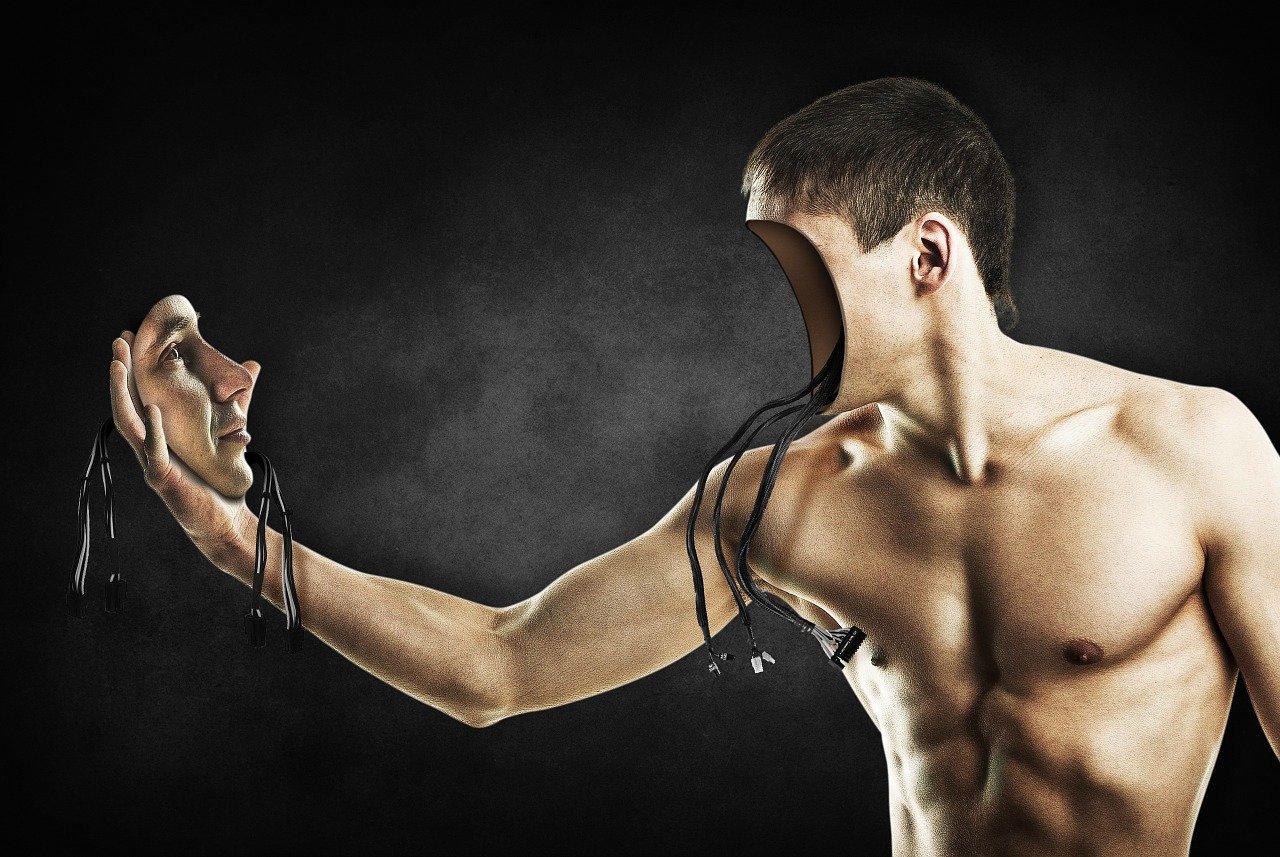
Freedom of expression is one of the most cherished and debated rights in democratic societies. It allows individuals to voice their opinions, share ideas, and communicate without fear of censorship or punishment. This fundamental freedom supports creativity, social progress, and human dignity. But with great freedom comes great responsibility. Misused or misunderstood, freedom of expression can lead to harm, misinformation, or social division.
In this article, we’ll explore the importance of freedom of expression, why it matters in personal and public life, and how to balance it with ethical responsibility and respect.
What Is Freedom of Expression?
Freedom of expression is the right to articulate thoughts, beliefs, and opinions through speech, writing, art, or any other form of communication. It also includes the freedom to seek, receive, and impart information and ideas.
This freedom is recognized in international documents such as the Universal Declaration of Human Rights (Article 19) and is protected in many national constitutions. However, it is not absolute—certain limits exist to prevent harm to others or to maintain public order.
Core Elements of Freedom of Expression:
- Freedom of speech
- Freedom of the press
- Freedom of artistic expression
- Freedom of thought and belief
- Freedom to protest peacefully
Why Freedom of Expression Matters
Freedom of expression plays a vital role in individual development and the health of society. Here are key reasons why it’s essential:
1. Encourages Personal Growth
When people can express themselves freely, they are more likely to explore their thoughts, refine their beliefs, and develop a strong sense of identity. Self-expression helps individuals grow emotionally, intellectually, and spiritually.
2. Promotes Innovation and Creativity
Artists, writers, musicians, and thinkers rely on freedom to create without restriction. Innovation flourishes in open environments where people can share unconventional or controversial ideas without fear of punishment.
3. Supports Democracy and Accountability
A functioning democracy depends on the free exchange of ideas. Freedom of expression enables:
- Public debates
- Political criticism
- Whistleblowing on corruption
- Diverse viewpoints
Without it, authoritarianism thrives, and the public is kept in the dark.
4. Strengthens Community and Empathy
Free speech fosters dialogue across differences. It allows people to listen, understand, and connect—even when they disagree. This creates a more compassionate and inclusive society.
The Limits of Free Expression
While the right to free expression is fundamental, it’s not unlimited. Restrictions exist to balance individual rights with public safety and respect for others. These include:
- Hate speech: Speech that incites violence or discrimination based on race, religion, gender, or identity is often restricted.
- Defamation: False statements that harm someone’s reputation are not protected.
- Incitement to violence: Encouraging acts of violence or terrorism can be prosecuted.
- Obscenity and indecency: Some content may be restricted to protect minors or public decency.
These limits vary by country and legal system, but the principle remains: freedom of expression must not be used to harm others.
Balancing Freedom and Responsibility
The challenge is not whether freedom of expression should exist—it must—but how to exercise it responsibly. Here’s how individuals and communities can balance this right with ethical duty:
1. Think Before You Speak
Freedom of expression doesn’t mean saying whatever comes to mind without considering the impact. Ask yourself:
- Is what I’m saying true?
- Is it necessary?
- Is it respectful?
- Could it cause unnecessary harm?
This simple reflection can prevent misunderstanding and promote healthier conversations.
2. Respect Others’ Right to Speak
Free expression includes the right to be heard—and to disagree. Respecting others’ voices, even when you don’t share their views, is essential to a free society. Listen actively and engage with curiosity, not hostility.
3. Avoid Spreading Misinformation
In the digital age, false information spreads rapidly. Before sharing news or opinions online, verify the facts. Misinformation can damage reputations, mislead the public, and erode trust.
Be a responsible communicator by:
- Fact-checking sources
- Avoiding sensationalist content
- Acknowledging when you’re unsure
4. Use Speech to Build, Not Break
Words have power. They can heal, inspire, unite—or they can divide and destroy. Use your freedom to uplift, inform, and contribute positively to the world around you.
Freedom of Expression in the Digital Age
Social media has dramatically changed the landscape of expression. Today, anyone with a smartphone can publish opinions, influence others, and spark global discussions. While this democratizes speech, it also raises challenges:
Pros:
- Diverse voices gain visibility
- Marginalized communities find platforms
- Rapid information sharing empowers change
Cons:
- Online abuse and harassment
- Cancel culture and mob mentality
- Echo chambers that limit diverse perspectives
- Spread of fake news and harmful ideologies
To preserve freedom online, platforms must enforce ethical standards while protecting open dialogue. Users, in turn, must engage thoughtfully and with integrity.
The Importance of Critical Thinking
Critical thinking is essential to responsible expression. It helps people analyze ideas, understand different perspectives, and form reasoned opinions. To practice critical thinking:
- Question your own beliefs
- Consider multiple sides of an issue
- Look for evidence
- Avoid emotional or biased reasoning
Educating people to think critically fosters a society where free expression is informed, respectful, and constructive.
Teaching Freedom of Expression
Freedom of expression should be taught in schools, families, and communities—not just as a right, but as a shared responsibility. Education should include:
- The history and value of free speech
- The dangers of censorship and propaganda
- The ethical use of language
- Digital literacy and responsible online behavior
When young people understand these principles, they grow into confident, respectful, and empowered communicators.
Final Thoughts: Speak Freely, Speak Wisely
Freedom of expression is a powerful gift—one that must be protected and respected. It allows individuals to live truthfully and society to thrive through shared ideas and honest dialogue. But with that freedom comes a duty to speak with care, to listen with respect, and to contribute to a world where all voices matter.
Use your voice not just to be heard—but to make a difference. In doing so, you not only honor your own freedom but help preserve it for others.