
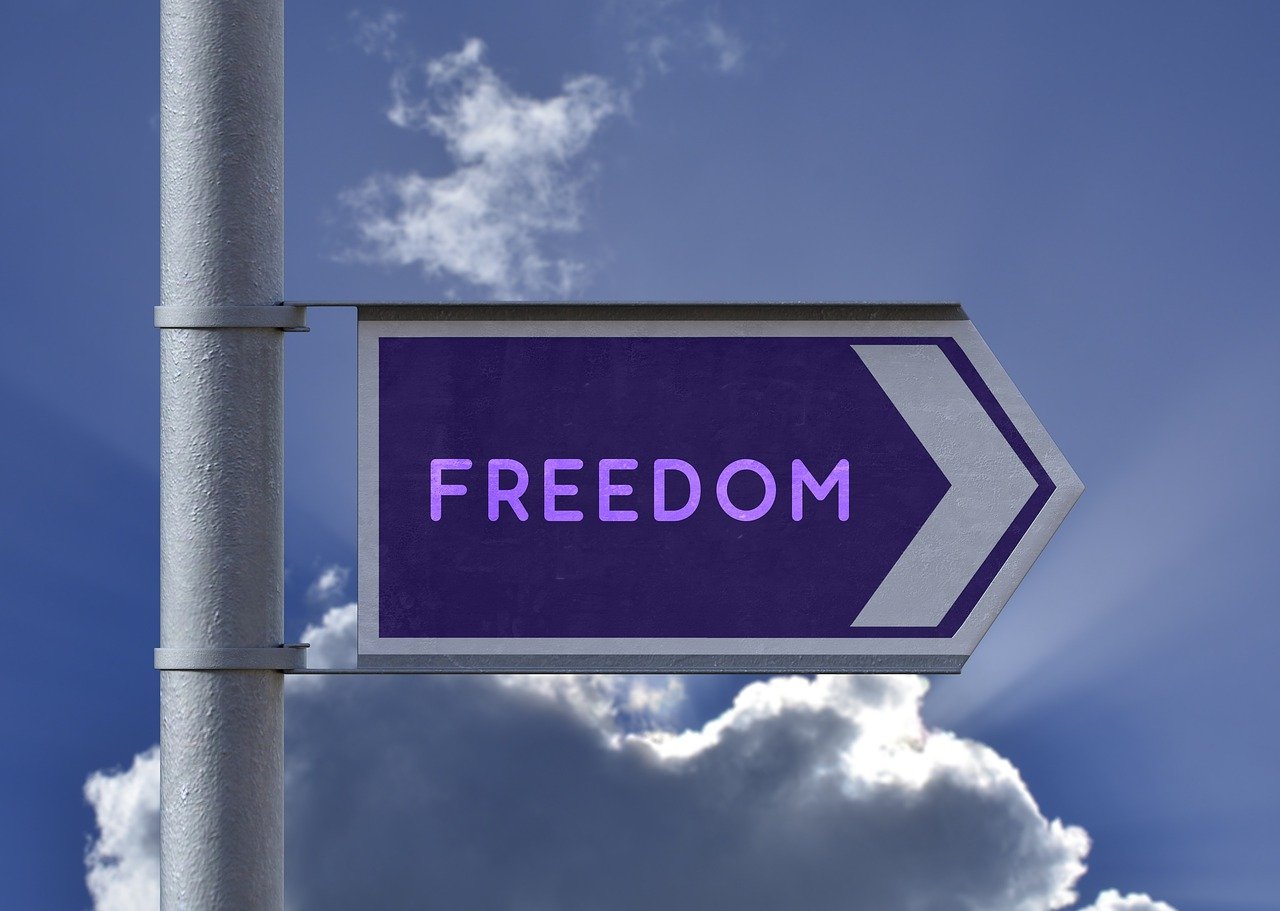
Freedom shapes every aspect of our lives, from the smallest decisions to life-altering choices. It’s a powerful force that impacts how we think, feel, and act on a daily basis. While many people associate freedom with large political or social constructs, it’s just as crucial in the personal realm. Understanding how freedom influences our daily choices can help us live more intentionally, authentically, and successfully.
The Nature of Everyday Freedom
Freedom in daily life doesn’t always look dramatic. It’s the ability to choose what to wear, where to work, how to spend your time, who to spend it with, and what values to live by. These small freedoms accumulate to shape our identity and lifestyle. When we feel free, we act with greater confidence and clarity. When our freedom is restricted, we may feel trapped, disempowered, or disconnected from ourselves.
The Psychology Behind Choice and Freedom
Human psychology is deeply tied to autonomy. According to Self-Determination Theory, one of the most influential models in motivation psychology, autonomy is one of three basic psychological needs (alongside competence and relatedness). When autonomy is met, people tend to thrive. When it’s denied, motivation and well-being decline.
In daily life, this means that having the freedom to make choices leads to:
- Higher motivation
- Greater satisfaction
- Improved performance
- Increased creativity
- Better mental health
Freedom in Daily Routines
Let’s explore specific areas where freedom affects your daily decisions and how you can leverage that influence.
1. Freedom of Time Management
How you use your time each day reflects your level of personal freedom. People who can choose when and how they work, relax, or socialize typically experience less stress and more fulfillment.
- With freedom: You can structure your day to match your energy levels, personal priorities, and mental needs.
- Without freedom: You may feel constantly overwhelmed, reactive rather than proactive, and disconnected from your goals.
Even if you have a structured job or responsibilities, building in small choices—like when to take breaks, how to commute, or what to do after work—can reclaim a sense of autonomy.
2. Freedom in What You Consume
From the food you eat to the media you watch and the information you absorb, daily consumption is influenced by your freedom to choose.
- Choosing healthy food leads to better physical and mental performance.
- Choosing uplifting or educational content helps expand your mind.
- Choosing who and what you listen to shapes your worldview and beliefs.
Being aware of these choices is the first step in making freedom work in your favor.
3. Freedom in How You Respond
While you can’t always control what happens to you, you can control how you respond. This is where freedom becomes most powerful.
Instead of reacting impulsively, you can pause and choose:
- Kindness over anger
- Patience over frustration
- Assertiveness over silence
These micro-decisions, made freely, build character and lead to a more mindful life.
The Impact of Limited Freedom
Freedom is not guaranteed. Daily choices can be influenced—or restricted—by external pressures such as:
- Cultural expectations
- Economic limitations
- Social norms or peer pressure
- Workplace control
- Mental health struggles
Each of these factors can erode your sense of choice and autonomy. For example, someone may feel obligated to follow a career path dictated by their family or society, rather than one aligned with their personal goals.
This restriction can lead to resentment, lack of motivation, and even burnout. It’s important to recognize where your freedom is being limited and explore safe, responsible ways to reclaim it.
How to Strengthen Your Sense of Freedom
If you want to increase the positive influence of freedom on your daily decisions, consider these strategies:
Practice Self-Awareness
Self-awareness is the first step to intentional living. Take time to reflect on what you want, what matters to you, and how you make decisions. Journaling, meditation, or simply pausing during the day to check in with yourself can increase clarity.
Challenge External Expectations
Not all expectations serve your growth. Learn to recognize which beliefs and behaviors you’ve adopted out of obligation rather than personal conviction. Start questioning what truly aligns with your values.
Empower Your Environment
Surround yourself with people and environments that support your autonomy. Seek workplaces that value independent thinking. Cultivate friendships that respect your choices. Design your home or schedule in a way that reflects your personality and needs.
Say “No” Without Guilt
Every time you say “yes” to something that doesn’t align with your values, you sacrifice a bit of your freedom. Learning to say “no” respectfully but firmly is a critical skill for protecting your autonomy.
Celebrate Small Wins
Not every exercise of freedom needs to be monumental. Choosing to take a walk when you’re stressed, cooking instead of ordering out, or taking a social media break are small choices that reinforce your control over your life.
When Freedom Leads to Better Habits
Personal development is built on daily habits—and freedom plays a role in creating and maintaining those habits.
Let’s say you want to start exercising or meditating every morning. The success of these habits depends on your ability to choose freely:
- You choose the best time and method that fits your lifestyle.
- You choose your motivation (health, peace, self-discipline).
- You choose whether to keep going on hard days.
Because habits are based on repetition and intention, freedom supports the ability to make those choices consistently and with purpose.
Freedom in Relationships
Your relationships are also shaped by freedom. Healthy relationships allow each person to maintain their autonomy while supporting each other’s growth.
- In a free relationship, partners or friends feel safe to express opinions, make decisions, and explore their own goals.
- In a controlling relationship, one or both parties may feel confined, leading to conflict, frustration, or emotional distance.
Nurturing your personal freedom—and respecting the freedom of others—is key to building lasting, empowering connections.
Freedom and Confidence
Confidence is closely linked to your ability to make decisions and act on them. When you know you have the right to choose and the courage to follow through, your confidence grows.
Freedom builds:
- Self-trust: You believe in your judgment.
- Self-respect: You value your needs.
- Resilience: You can adapt and recover when choices don’t go as planned.
All of these traits reinforce personal growth and long-term success.
Final Reflection: Making Conscious Choices
Every day offers you dozens of decisions. While some may seem small, they’re all opportunities to express who you are and where you’re headed. Recognizing the influence of freedom on these choices helps you live with more awareness, intention, and joy.
Instead of drifting through life, you become the driver. You choose the route, the speed, and the scenery along the way. That’s the true power of freedom in your daily life.