
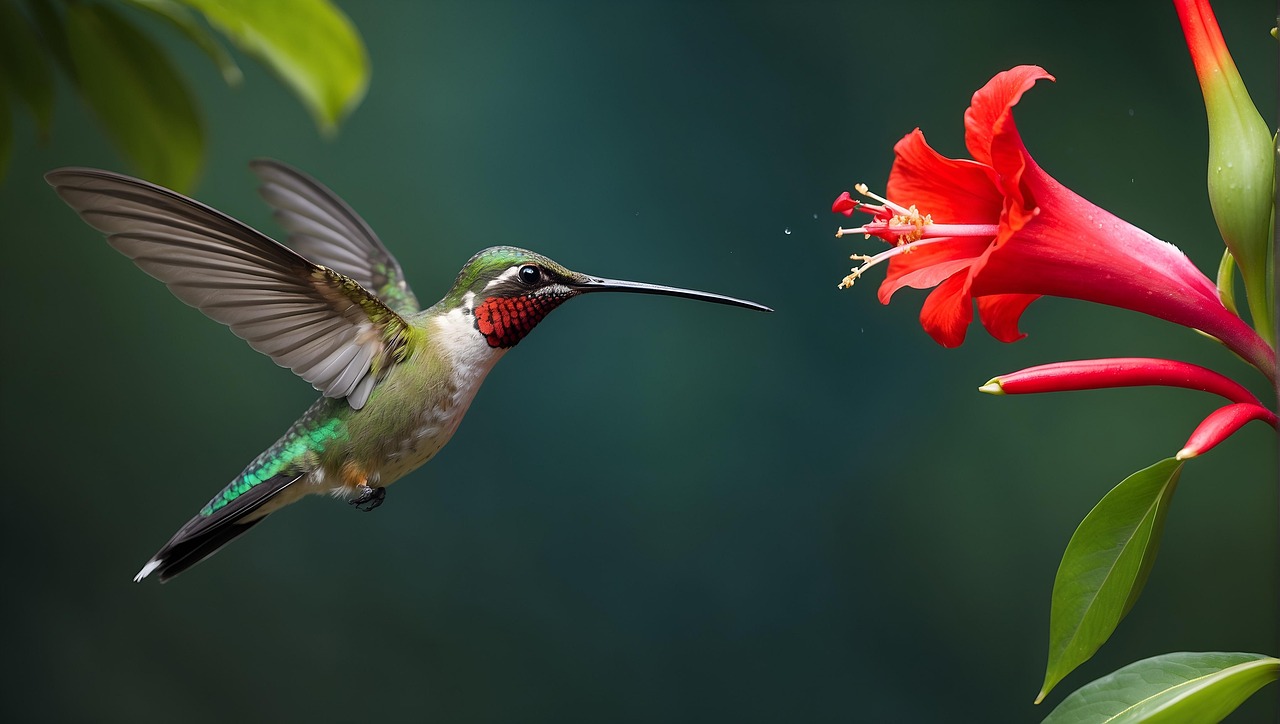
Freedom is more than just the absence of constraints; it is the foundation of self-growth and personal evolution. When individuals feel free—mentally, emotionally, and physically—they are empowered to explore their identities, make meaningful decisions, and grow into the best versions of themselves. In the context of personal development, freedom becomes a catalyst for discovery, creativity, and transformation.
Understanding Personal Freedom
Personal freedom refers to the ability to make choices that align with one’s values, beliefs, and goals. It includes emotional freedom (being free from guilt, shame, or fear), psychological freedom (freedom of thought and opinion), and behavioral freedom (freedom to act according to one’s desires, within ethical and legal boundaries).
Without personal freedom, development becomes stifled. People may conform to external expectations, suppress their true selves, or hesitate to take steps toward self-improvement out of fear or societal pressure.
Why Freedom Matters in Self-Growth
Freedom allows individuals to take ownership of their lives. This ownership is a key element of personal growth. Here’s how:
1. Freedom Encourages Authenticity
When people are free to express themselves without fear of judgment, they are more likely to discover who they truly are. Authenticity fuels confidence and self-acceptance, which are essential to growth. A person who lives authentically is more likely to set meaningful goals and pursue them with intention.
2. Freedom Stimulates Learning and Curiosity
People who feel free tend to ask more questions, explore new ideas, and take risks. These are all behaviors that promote learning and growth. Curiosity thrives in a space where freedom is valued, encouraging individuals to continuously seek knowledge and challenge themselves.
3. Freedom Enhances Motivation and Responsibility
When individuals choose their own goals, they are more motivated to achieve them. They also take more responsibility for the outcomes. Freedom doesn’t mean avoiding accountability—it means owning one’s journey. This ownership creates a deeper sense of commitment to personal development.
4. Freedom Supports Emotional Well-being
Freedom plays a crucial role in mental health. When people feel controlled or restricted, they often experience stress, anxiety, or even depression. On the other hand, when they feel free to make choices and control their own path, they experience higher levels of happiness and emotional balance.
The Link Between Freedom and Creativity
Personal development often requires creative thinking. Whether you’re solving a problem, building a new habit, or reinventing your lifestyle, creativity helps you find unique solutions. Freedom removes the fear of failure or rejection—two major barriers to creativity.
In environments that nurture freedom, people are more innovative. They are willing to try new things, learn from mistakes, and adapt quickly. This mindset is key for anyone looking to grow and evolve.
How to Cultivate Personal Freedom
Freedom is not always granted—it is often something we must create for ourselves. Here are practical steps to cultivate more personal freedom in your life:
Set Boundaries
Ironically, setting boundaries is one of the best ways to protect your freedom. By clearly defining what is acceptable in your life, you prevent others from infringing on your autonomy. Boundaries also help manage your energy and time, allowing you to focus on personal goals.
Embrace Responsibility
Freedom and responsibility go hand in hand. When you take responsibility for your life—your choices, your habits, and your mindset—you empower yourself. This sense of ownership allows you to make changes that reflect your values and ambitions.
Challenge Limiting Beliefs
Many people live under self-imposed restrictions—beliefs like “I’m not good enough” or “I can’t change.” Identifying and challenging these beliefs is critical. Replace them with empowering thoughts that align with the life you want to build.
Prioritize Self-Knowledge
You can’t be truly free if you don’t know yourself. Spend time reflecting on your desires, strengths, and values. Journaling, meditation, and deep conversations with trusted friends can help clarify your identity and guide your choices.
Learn to Say No
Saying “no” is one of the most powerful expressions of freedom. It allows you to protect your time, energy, and values. Don’t feel guilty about turning down things that don’t align with your personal goals or growth.
Common Barriers to Personal Freedom
Even in societies that promote individual liberty, people often struggle with personal freedom. Here are some common barriers and how to address them:
Fear of Judgment
Worrying about what others think can prevent you from expressing yourself or trying new things. The key is to remember that you cannot control others’ opinions—only your response to them. Build confidence by focusing on your values and celebrating small acts of bravery.
Cultural or Family Expectations
Sometimes, freedom is limited by traditions or expectations. While it’s important to respect others, you must also honor your own path. Open communication, assertiveness, and patience can help balance external expectations with personal needs.
Perfectionism
The need to be perfect can paralyze personal development. Freedom means allowing yourself to make mistakes, learn, and grow without harsh self-judgment. Adopt a mindset of progress over perfection.
Dependence on Others
Whether emotional or financial, dependency can limit freedom. While relationships are essential, they should not come at the cost of your autonomy. Work on building independence in key areas of your life to foster true personal freedom.
Freedom as a Lifelong Practice
Freedom is not a one-time achievement—it’s a continuous process. As life changes, so do your challenges and priorities. Staying free means being adaptable, self-aware, and committed to your personal values.
You may not always be able to control your circumstances, but you can control your reactions, decisions, and mindset. That’s where real freedom lives.
Final Thoughts: Becoming the Author of Your Life
Personal freedom is about becoming the author of your own life story. It’s about writing chapters that reflect who you truly are—not what others expect of you. When you embrace freedom, you unlock your full potential and begin a journey of endless discovery and growth.
Whether you’re striving for emotional independence, creative fulfillment, or a more purposeful life, remember this: true personal development starts when you give yourself permission to be free.